10 Unique Website Ideas for Every Niche

In today’s digital age, having a unique and engaging website is crucial for standing out in a crowded online marketplace. However, coming up with innovative website ideas that cater to your specific niche can be a daunting task. Whether you’re a small business owner, a freelancer, or an entrepreneur, having a website that reflects your brand’s uniqueness and caters to your target audience’s needs is essential for success.

Before diving into the unique website ideas, let’s first understand what we mean by “niche.”

Definition of Niche

A niche refers to a specialized segment of the market that caters to a specific group of individuals with shared interests, preferences, or needs. Niche markets often represent smaller, more focused segments within broader industries and are characterized by their distinctiveness and specificity. By targeting a niche market, businesses can tailor their products, services, and marketing efforts to better meet the needs of their target audience, resulting in higher levels of engagement, satisfaction, and loyalty.

Now, let’s explore 10 unique website ideas that can be tailored to fit any niche, helping you elevate your online presence and attract more customers.

1. Customized Landing Pages

One effective way to capture the attention of your target audience is by creating customized landing pages that speak directly to their needs and interests. Instead of using generic templates, consider designing landing pages that are tailored to specific products or services within your niche. For example, if you’re a fitness coach, you could create landing pages for different types of workouts or meal plans, each with its own unique design and messaging.

Example: Offering online fitness coach Credit: Kayla Itsines

2. Interactive Product Showcases

Give your customers a truly immersive shopping experience by incorporating interactive elements into your product showcases. This could include 360-degree product views, virtual tours, or interactive demos that allow visitors to explore your products in detail. Not only does this make for a more engaging user experience, but it also helps to build trust and credibility with your audience.

This image has an empty alt attribute; its file name is apple.png

Example: Apple Store website Credit: Apple

3. Niche-Specific Online Communities

Create a sense of belonging and community among your target audience by building niche-specific online communities on your website. This could be in the form of forums, discussion boards, or social networking features that allow users to connect with like-minded individuals and share their experiences. By fostering a sense of community, you can keep your audience engaged and coming back for more.

Example: QualityTribe, community created by Klaus Credit: Bettermode

4. Personalized Product Configurators

Give your customers the ability to customize and personalize their purchases with interactive product configurators. Whether you’re selling clothing, furniture, or customizable gifts, allowing customers to tailor their products to their preferences can help increase sales and satisfaction. By offering a unique and personalized shopping experience, you can set yourself apart from the competition and build brand loyalty.

Example: Custom Uniform for your Team by Adidas Credits: Adidas

5. Visual Storytelling Platforms

Harness the power of visual storytelling to captivate your audience and compellingly convey your brand’s message. Create multimedia content such as videos, infographics, and photo galleries that tell the story of your brand and showcase your products or services in action. By engaging your audience on a deeper level, you can forge emotional connections and leave a lasting impression.

Example: A Visual story from Stuff Credits: Shorthand

6. AI-Powered Recommendation Engines

Use artificial intelligence to personalize the user experience and recommend relevant products or content based on each visitor’s preferences and browsing history. By leveraging machine learning algorithms, you can deliver personalized recommendations that help users discover new products or content they may be interested in. This not only enhances the user experience but also increases the likelihood of conversion and repeat business.

Example Netflix Recommendation Credits: InData Labs

7. Niche-Specific Job Boards

If you’re in the business of recruiting or connecting job seekers with employers, consider creating a niche-specific job board on your website. This could be focused on a particular industry, skill set, or geographic location, making it easier for employers to find qualified candidates and for job seekers to find relevant job opportunities. By providing a targeted platform for job postings, you can become a valuable resource within your niche.

Example Dice Tech job boards Credits: Dice

8. Customized Learning Platforms

Position yourself as an authority in your niche by offering customized learning platforms that provide valuable educational content to your audience. Whether it’s through online courses, webinars, or tutorials, providing educational resources that cater to the specific needs and interests of your target audience can help establish trust and credibility. By empowering your audience with knowledge and skills, you can position yourself as a leader in your field.

Example LinkedIn Learning Credits: LinkedIn

9. Virtual Consultation Services

Offer virtual consultation services to your customers as a convenient and accessible way to provide personalized advice and support. Whether you’re a healthcare provider, financial advisor, or beauty consultant, offering virtual consultations allows you to connect with clients remotely and offer expert guidance tailored to their needs. By embracing technology and offering virtual services, you can expand your reach and attract clients from anywhere in the world.

Example Sleep Wise Consulting Credits: Sleep Wise

10. Subscription-Based Membership Sites

Create a recurring revenue stream by offering subscription-based membership sites that provide exclusive content, resources, or perks to paying members. Whether it’s premium articles, insider tips, or members-only discounts, offering valuable benefits to subscribers can incentivize them to join and remain loyal to your brand. By providing ongoing value and fostering a sense of exclusivity, you can generate predictable income and build a community of loyal supporters.

Example: Natural Cosmetics Formulation Club membership site for The School of Natural Skincare 

Credits: The School of Natural Skincare

In conclusion, these 10 unique website ideas offer creative and innovative ways to enhance your online presence and cater to the specific needs of your niche audience. Whether you’re looking to increase sales, build brand loyalty, or establish yourself as an authority in your field, incorporating these ideas into your website strategy can help you achieve your goals and stand out from the competition. So why wait? Start implementing these ideas today and take your online presence to the next level!

UI Trends for Success

In the fast-paced digital world, small to medium-sized professional service businesses face the challenge of establishing a strong online presence while effectively managing their core responsibilities. User Interface (UI) trends play a pivotal role in this endeavor, offering innovative ways to engage audiences and improve brand experiences.  Understanding these trends is vital for businesses aiming to succeed online. As we explore UI trends, we’ll see how these evolving design ideas can help businesses grow and enhance online interactions. From dynamic motion design to the appeal of dopamine-inducing color palettes, let’s dive into ways to elevate your business’s online presence.

1. Motion Design

Motion design has evolved to become an integral part of modern interface design. With advancements in animation and video compression technology, designers now have the freedom to experiment with dynamic and visually appealing motion experiences without compromising speed or efficiency. This means that businesses can create ever-immersive digital interactions that mimic the momentum and physics of physical products, enhancing user engagement.

Moreover, curated video snippets, dynamic backgrounds, and quirky video popups are set to become essential components in creating captivating brand experiences. By embracing motion design, professional service businesses can leave a lasting impression on their website visitors, strengthening their brand identity and resonating with their target audience.

Source: Slate

2. Scrollytelling

Scrollytelling, also known as immersive scrolling, is an exciting subset of motion design that holds tremendous potential for enriching the interaction between users and products. Through scroll trigger animations, businesses can transform their landing page designs into vibrant narratives, engaging users and improving brand perception.

Although scrollytelling may not directly impact a product’s utility, when executed correctly, it elevates the visual appeal and seamlessly transitions between different sets of information. This scrollytelling aspect allows businesses to breathe life into their online content despite its limited functionality. By incorporating scrollytelling in their web design, professional service businesses can create an unparalleled user experience, driving desirability and customer satisfaction.

A gif of a snow fall a sample of scrollytelling UI Trends design

Snow Fall: The Avalanche at Tunnel Creek
Source: The New York Times

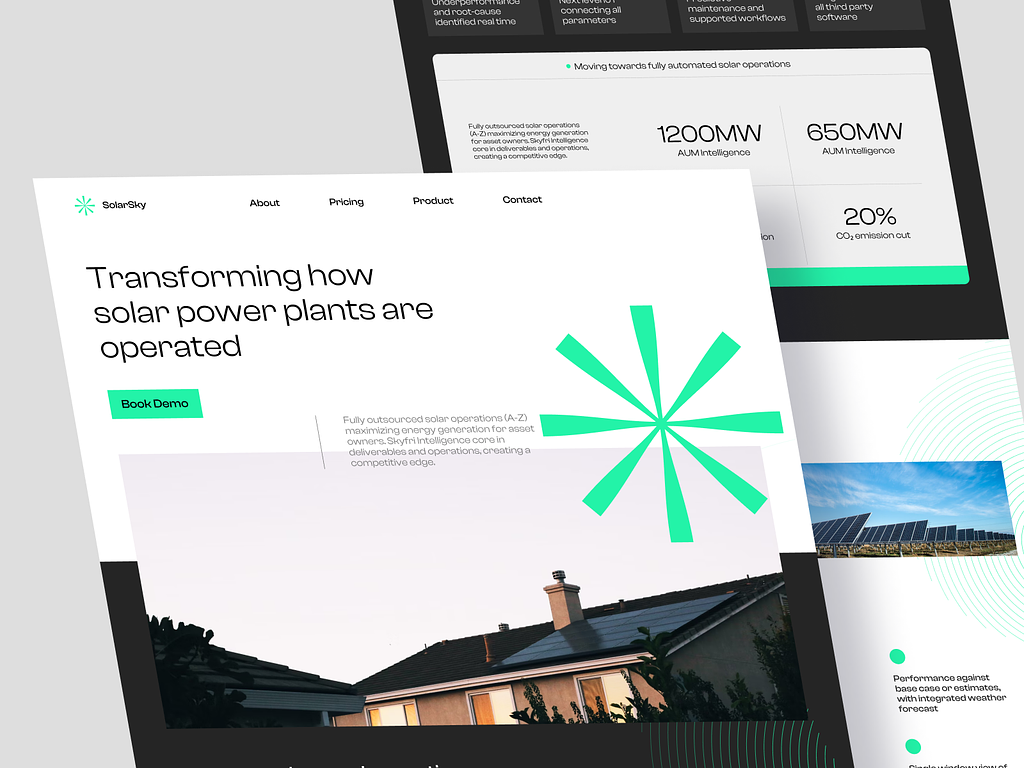
3. New Bolder Minimalism

Minimalism has been a popular design approach, emphasizing functional elements, negative space, and easy navigation. However, the upcoming minimalism trend takes this concept a step further, offering a more nuanced and evolved take on simplicity.

Modern minimalism can rely on carefully curated monochromatic palettes, large flat color shapes, rounded edges, and flat graphics. This combination results in decluttered yet visually rich interfaces that maintain a soft and rounded appearance. By embracing this minimalist design with a touch of personalization, professional service businesses can create expressive and user-friendly experiences that promote clarity, readability, and easy navigation.

An image of Solar Sky website a New Bolder Minimalism UI Trends Design

Solar Sky Website by Herdetya Priambodo for Plainthing Studio
Source: Dribble

4. Happy Colors/Dopamine Inducing Palettes

As users increasingly seek positivity and joy through their online experiences, the concept of ‘dopamine dressing’ has made its way into web design. Happy colors and bold hues, combined with retro elements, offer a powerful means of expressing brand identity and resonating with users across different age groups.

By incorporating mild textures and therapeutic hues, businesses can create web assets that exude positivity and appeal to a wide audience. Even major brands are recognizing the impact of dopamine-inducing palettes and employing them in their campaigns to stand out and make bold statements. Leveraging these vibrant colors and cheerful palettes, professional service businesses can leave a lasting impression and foster positive associations with their brand.

An image of Project Management Landing page example for Happy colors UI Trends design

Project Management Landing page by Solomia Kravets for Gecko Dynamics
Source: Dribble

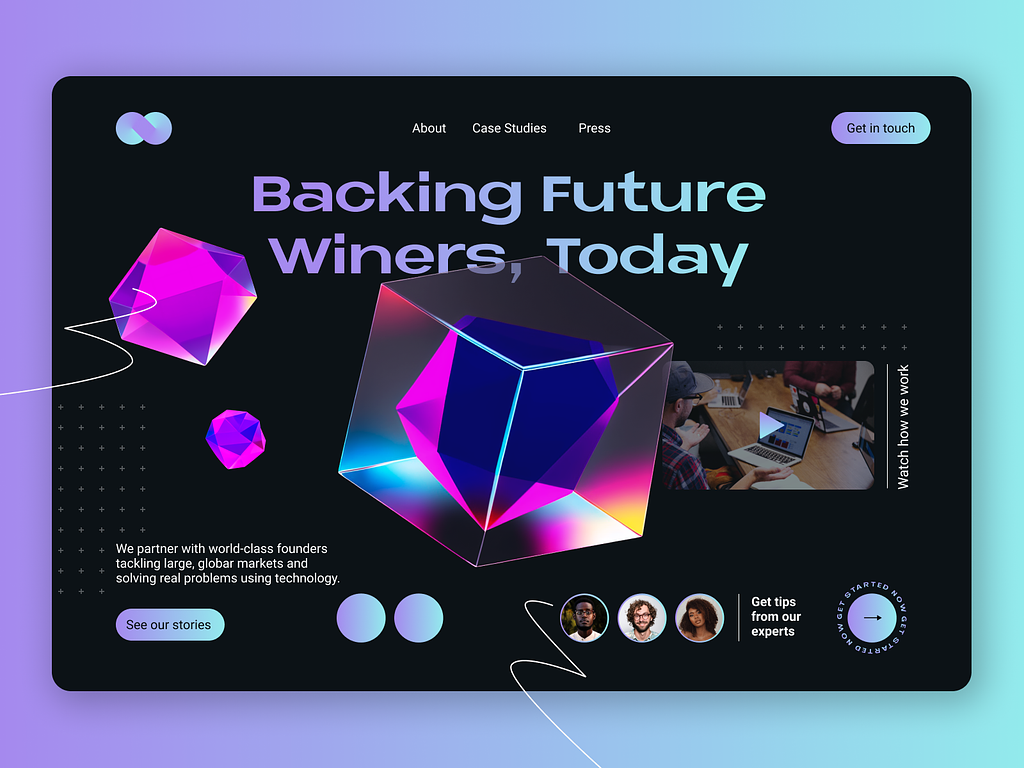
5. Aurora Gradients

Gradients have been a consistent trend in design, and with the rise of aurora gradients, their popularity continues to soar. These ethereal color schemes blend compatible colors, offering contemporary moods while subtly referencing the nostalgia of the 80s and 90s.

The name “aurora gradients” is derived from their resemblance to the captivating Aurora Borealis. By incorporating these mesmerizing gradients in web and app designs, businesses can create elevated and smooth user experiences that exude mystique and modernity. This trend appeals to a wide range of industries, providing an opportunity for professional service businesses to infuse their web assets with a touch of magic and sophistication.

An image of Aurora Gradients Landing page a UI Trends design

Aurora Gradients Landing by Roger Flaquer 
Source: Dribble

Conclusion:

In today’s highly competitive digital world, staying ahead means embracing the latest UI trends to enhance online experiences. By using elements like motion design, scrollytelling, bold minimalism, dopamine-inducing colors, and aurora gradients, businesses can capture audiences’ attention and push their brands forward. Sapere Marketing is here to help, offering reliable solutions while businesses focus on what they do best. With the right blend of technical expertise and creative thinking, professional service businesses can not only survive but thrive in the digital realm, securing long-lasting success in an ever-changing online world.

The 4 Pillars of Effective SEO

In the big world of the internet, there’s this important thing called SEO. It stands for Search Engine Optimization (SEO), and it’s the key to doing well online. If you’re running a business in the busy online world, knowing and using the 4 Pillars of Effective SEO isn’t just something you can choose to do – it’s something you need to do to be successful.

SEO is the art and science of optimizing your online presence to rank higher on search engine result pages and has become a cornerstone for businesses aiming to thrive in the digital age. At the heart of a robust SEO strategy lie the 4 Pillars, each playing a pivotal role in elevating your website’s visibility, traffic, and ultimately, your bottom line.

Pillar 1: Content Creation

The foundation of effective SEO rests on the quality of your content. It’s not merely about churning out words; it’s about creating content that resonates with your audience and aligns with their search intent. Targeting specific keywords strategically within your content is key, ensuring that your website becomes your industry’s go-to source for information.

In the world of SEO, blog articles are powerful tools for attracting and engaging your audience. By consistently producing high-quality, keyword-targeted blog posts, you position your website as an authority in your niche. The mantra here is simple: Be the best-quality content on the internet for your chosen keywords.

Pillar 2: Backlinks

Think of backlinks as virtual votes of confidence for your website. In the eyes of search engines, each backlink from an authoritative and relevant source is a validation of your content’s credibility. It’s not just about quantity; it’s about quality.

Acquiring backlinks is a nuanced process. Consistency is crucial, but the focus should always be on relevance and authority. Aim for backlinks from websites with a high Domain Rating (DR), as these are the “strongest votes of confidence” that can significantly impact your search rankings.

Remember, in the world of backlinks, quality triumphs over quantity. It’s not about amassing a vast number of links but about cultivating a network of meaningful connections across the digital landscape.

Pillar 3: CRO and User Experience

Your website’s ability to convert SEO-generated traffic into leads and paying customers is a make-or-break factor in the realm of digital success. It’s not just about attracting visitors; it’s about creating an online experience that turns them into loyal customers.

Understanding your audience is paramount. Conversion Rate Optimization (CRO) goes beyond website aesthetics; it’s about optimizing the entire user experience. How easily can visitors navigate your site? Is your content compelling and persuasive? These questions lie at the heart of CRO.

Invest time in understanding your customers and tailoring your website to their needs. Lead magnets, well-designed landing pages, and a seamless user journey contribute to a positive online experience, increasing the likelihood of converting visitors into actual leads and customers.

Pillar 4: Analytics

In the fast-paced world of SEO, it’s not enough to implement strategies blindly. You need to measure, analyze, and adapt. This is where analytics come into play. Tracking the results of your SEO efforts is not just a good practice; it’s a necessity.

Keep a keen eye on essential metrics such as impressions, clicks, backlinks, keywords, traffic, and, most importantly, conversion rates. Analytics serve as the compass guiding your SEO ship. They validate your efforts and provide insights into what’s working and what needs adjustment.

But remember, analytics is not just about numbers; it’s about understanding the story they tell. Are your keywords driving the right kind of traffic? Which pages are performing well, and which ones need improvement? Analytics isn’t a one-time task; it’s an ongoing process that informs your SEO strategy’s evolution.

Conclusion:

In the ever-changing digital landscape, mastering the 4 Pillars of Effective SEO is not just a strategy; it’s a roadmap to online success. Content creation, backlinks, conversion rate optimization, and analytics form the nucleus of a holistic and powerful SEO approach.

As you embark on your SEO journey, keep these pillars in mind. Create content that resonates, build a network of authoritative backlinks, optimize your website for conversions and user experience, and let analytics be your guiding light. In the dynamic world of SEO, the 4 Pillars are your steadfast companions, leading the way to sustained online success.

How to Improve E-commerce Checkout for Conversions

In the fast-paced world of online shopping, the checkout process plays a pivotal role in determining whether a potential customer completes a purchase or abandons their shopping cart. A streamlined checkout experience is not just a convenience for users; it’s a critical factor that directly influences conversion rates. In this article, we’ll delve into the key strategies to enhance your e-commerce checkout process, addressing everything from the user experience to technological advancements.

Assessing Current Checkout Performance

Assessing your current checkout performance is akin to taking a diagnostic snapshot of your online store’s health. Before embarking on any enhancements, it’s crucial to delve into the analytics, scrutinizing bounce rates and abandoned carts with a discerning eye. Bounce rates provide insights into users who navigate away without completing the purchase, indicating potential stumbling blocks in your checkout process. Abandoned carts, on the other hand, unravel the narrative of users who showed clear intent to buy but dropped off somewhere along the way. By dissecting these metrics, you gain a nuanced understanding of user behavior, allowing you to pinpoint specific pain points in your existing checkout process. Whether it’s convoluted form fields, unexpected costs, or cumbersome navigation, identifying these pain points becomes the compass guiding the course correction necessary for a more seamless and efficient user experience.

Streamlining the Checkout Flow

A. Simplifying Form Fields and Reducing Friction

Simplifying form fields and reducing friction in the checkout process is paramount for ensuring a smooth and efficient user experience. Lengthy and intricate forms can act as a significant deterrent, discouraging users from completing their purchase journey. The key here is to streamline the information-gathering process by requesting only essential details necessary for the transaction. Every additional field not only prolongs the checkout time but also elevates the chances of abandonment. By focusing on capturing only vital information, such as shipping and billing details, you not only expedite the checkout process but also minimize the cognitive load on the user. This reduction in friction ensures that customers can swiftly navigate through the checkout, enhancing the likelihood of conversion while fostering a positive and hassle-free interaction with your e-commerce platform.

B. Implementing a Guest Checkout Option

Implementing a guest checkout option is a pivotal strategy to accommodate the diverse preferences of online shoppers. Recognizing that not every customer prefers to create an account, offering a guest checkout option is a proactive step to improve user convenience. This approach streamlines the entire process for those who seek a swift and hassle-free purchase without the commitment of setting up an account. By allowing users to complete their transactions as guests, you eliminate any potential friction associated with mandatory account creation, meeting the needs of customers who prioritize expediency and simplicity. In doing so, you not only cater to a broader audience but also foster a user-friendly environment that values the individual choices and time constraints of your customers, ultimately contributing to higher conversion rates and overall customer satisfaction.

C. Optimizing for Mobile Users

Optimizing your e-commerce checkout process for mobile users is no longer a choice but a necessity in the contemporary landscape of online shopping. The significant rise in mobile shopping underscores the importance of adapting your checkout experience to accommodate smaller screens seamlessly. A mobile-friendly design goes beyond mere aesthetics; it directly influences the overall user experience, encouraging swift and hassle-free transactions. Streamlining the checkout journey for mobile users involves simplifying navigation, optimizing form fields for touch input, and ensuring that every step is intuitive on smaller screens. By prioritizing mobile optimization, you not only cater to the preferences of a growing segment of online shoppers but also demonstrate a commitment to providing a cohesive and accessible user experience across all devices. This approach not only enhances user satisfaction but also contributes to increased conversion rates, as mobile users can effortlessly navigate and complete transactions with efficiency and ease.

Building Trust and Security

A. Displaying Trust Badges and Security Certifications

Displaying trust badges and security certifications serves as a visual testament to the commitment your e-commerce platform has toward safeguarding customer information. In the online realm, where concerns about data security loom large, these badges become symbolic assurances that instill confidence in potential customers. Placing them prominently throughout your website, especially within the checkout process, creates a sense of trustworthiness and reliability. Customers, when assured that their personal and financial information is protected, are more likely to proceed with transactions without apprehension. These visual cues act as a shield against skepticism, reinforcing the credibility of your platform and building a foundation of trust with your audience. In the digital marketplace, where trust is currency, prominently displaying trust badges and security certifications is an indispensable strategy to foster a secure and confident shopping environment for your customers.

B. Clarifying Shipping Costs and Delivery Times

Providing clarity on shipping costs and delivery times is a fundamental aspect of transparency that directly impacts the user experience during the checkout process. Hidden fees or ambiguous delivery times have the potential to disrupt a smooth transaction, resulting in cart abandonment. To mitigate this risk, it is essential to communicate shipping costs and expected delivery times clearly and upfront, ideally at the beginning of the checkout process. By doing so, you set realistic expectations for your customers, fostering a sense of trust and preventing any unpleasant surprises at the final stages of the transaction. Clearly outlining these details empowers customers to make informed decisions, aligning their expectations with the actual shipping process. This transparency not only reduces the likelihood of cart abandonment but also contributes to a positive overall shopping experience, enhancing customer satisfaction and loyalty.

C. Providing Transparent Return and Refund Policies

Transparency in return and refund policies is paramount in establishing a trustworthy and customer-centric e-commerce environment. By being forthright about the terms and conditions associated with returns and refunds, you actively contribute to the creation of a relationship built on trust. Clearly articulating these policies not only provides customers with a clear understanding of what to expect but also reduces uncertainty, a common source of hesitation in the online shopping experience. When potential buyers are assured of a fair and transparent process for returns and refunds, they feel more confident in making a purchase, knowing that there is a safety net if the need arises. This transparency becomes a key pillar in fostering customer trust, a crucial factor in building lasting relationships and encouraging repeat business. In the world of e-commerce, where reassurance and reliability are pivotal, transparent return and refund policies stand as a testament to your commitment to customer satisfaction and ethical business practices.

Enhancing User Experience

A. Adding Progress Indicators in the Checkout Process

Integrating progress indicators into the checkout process is a user-centric strategy that acknowledges the importance of transparency and user empowerment. The psychological impact of a progress bar cannot be overstated; users appreciate a clear visual representation of the steps involved in completing their purchase. By implementing progress indicators, you keep users informed about where they are in the checkout journey, effectively reducing the feeling of ambiguity and the perception of an endless process. This simple yet impactful addition not only enhances the user experience but also provides a sense of control, allowing customers to gauge the remaining steps and allocate their time accordingly. It aligns with the principle of user empowerment, as individuals are more likely to engage positively with a process when they have a clear understanding of its progression. As a result, incorporating progress indicators becomes a pivotal element in optimizing the checkout flow, contributing to increased user satisfaction and a higher likelihood of successful conversions.

B. Utilizing Clear and Concise Calls-to-Action

The significance of utilizing clear and concise calls-to-action (CTAs) in the checkout process cannot be overstated. Crafting buttons with straightforward and purposeful language, such as “Proceed to Checkout” or “Complete Purchase,” serves as a guiding beacon for users, directing them seamlessly through each step of the transaction. Clarity in CTAs is crucial for reducing friction and enhancing the user experience, as users should instinctively understand the next action required to progress in their purchase journey. The use of unambiguous language in CTAs not only eliminates confusion but also reinforces a sense of confidence and control for the user. By aligning the language with the user’s intent and the action they are about to take, you create a user-friendly environment that fosters trust and ensures a smooth navigation experience, ultimately contributing to increased conversion rates.

C. Incorporating Autofill Features for User Convenience

Incorporating autofill features into the checkout process is a strategic move towards enhancing user convenience and expediting the overall transaction. By integrating this functionality, you simplify the user experience, minimizing the effort required from customers to input redundant information. Autofill features automatically populate common fields, such as shipping and billing addresses, based on previously entered data, streamlining the process and saving users valuable time. This not only reduces the risk of input errors but also aligns with the modern expectation of efficiency in online transactions. The implementation of autofill features caters to the user’s desire for a hassle-free experience, demonstrating a commitment to user-centric design and efficiency. As users witness the seamless autofill process, they are more likely to appreciate the convenience offered, fostering a positive perception of your e-commerce platform and contributing to a smoother, more user-friendly checkout experience.

Leveraging Technology for Efficiency

A. Integrating One-Click Payment Options

Integrating one-click payment options is a revolutionary step toward streamlining the payment process and elevating the convenience of online transactions. By incorporating services like Apple Pay and Google Pay, you empower users to complete purchases with unparalleled efficiency—just a single click. This seamless payment experience significantly reduces friction in the final stages of the transaction, as users are spared the hassle of entering extensive payment details for each purchase. The one-click functionality not only expedites the checkout process but also aligns with the modern expectation of swift and effortless online interactions. By embracing these payment options, your e-commerce platform positions itself at the forefront of user-centric design, catering to the preferences of a fast-paced digital audience and enhancing the overall efficiency of the purchasing journey, ultimately contributing to increased conversion rates.

B. Implementing Address Validation and Auto-Correction Tools

Implementing address validation and auto-correction tools is a strategic move to mitigate the potential challenges associated with address entry errors in the e-commerce checkout process. Recognizing that inaccuracies in shipping details can result in delivery issues and customer dissatisfaction, these tools play a crucial role in enhancing the accuracy of customer-provided information. By validating and correcting addresses in real time, you ensure that the entered data is accurate and aligns with postal standards, minimizing the risk of delivery complications. This proactive approach not only contributes to successful and timely deliveries but also prevents instances of returned packages or frustrated customers due to address-related issues. In essence, these tools act as a safeguard, optimizing the reliability of the shipping process and reinforcing the commitment to a smooth and error-free customer experience within the e-commerce realm.

C. Exploring AI-Driven Personalized Recommendations

Exploring AI-driven personalized recommendations during the checkout process marks a strategic evolution in enhancing the overall shopping experience for users. By leveraging artificial intelligence, e-commerce platforms can analyze user behavior, preferences, and past purchases to deliver tailored product suggestions at the point of checkout. This personalized approach not only adds a layer of convenience for customers but also has the potential to significantly impact the average order value. As users encounter recommendations aligned with their interests and needs, they may be enticed to add complementary or upgraded items to their cart. AI-driven personalization not only reflects a commitment to understanding and meeting individual customer needs but also creates a dynamic and engaging shopping environment. In this way, the integration of personalized recommendations becomes a powerful tool for increasing customer satisfaction, driving revenue, and elevating the overall efficacy of the e-commerce checkout process.

Testing and Iterating

A. Importance of A/B Testing for Checkout Optimizations

A/B testing serves as a crucial tool for evaluating and refining the effectiveness of changes made to the checkout process. By systematically testing variations of the checkout flow, you gain valuable insights into user preferences and behaviors, allowing you to identify what resonates best with your specific audience. This iterative testing approach enables you to make data-driven decisions, understanding how subtle adjustments may impact conversion rates, user engagement, and overall satisfaction. A/B testing goes beyond mere experimentation; it provides a structured methodology to continuously refine and optimize the checkout experience based on real-time user feedback and behavior, ensuring that the e-commerce platform remains responsive to evolving customer preferences and market dynamics. In the ever-evolving landscape of online shopping, the commitment to regular A/B testing becomes a linchpin for staying agile, adaptive, and consistently delivering an enhanced checkout process that aligns with user expectations and drives optimal results.

B. Monitoring and Analyzing Customer Feedback

The active monitoring and analysis of customer feedback pertaining to the checkout process constitute an invaluable practice for refining and optimizing the overall user experience. By encouraging customers to share their insights, concerns, and suggestions, e-commerce platforms gain direct access to valuable qualitative data that can uncover issues not immediately apparent through quantitative metrics alone. Customer feedback acts as a real-time compass, guiding further improvements and allowing businesses to address specific pain points in the checkout journey. Whether it’s identifying confusing interface elements, addressing concerns about security, or streamlining specific steps based on user preferences, the input from customers becomes a strategic asset for fine-tuning the checkout process. This iterative approach to listening to and responding to customer feedback not only enhances the overall usability of the platform but also strengthens the connection between the brand and its customers, fostering a customer-centric ethos that is essential for long-term success in the competitive e-commerce landscape.

C. Continuous Improvement Through Iterative Adjustments

Acknowledging the dynamic nature of the e-commerce landscape is pivotal in fostering a culture of continuous improvement. In a digital realm where customer expectations are constantly evolving, businesses must embrace an adaptive mindset. This involves a commitment to making iterative adjustments to the checkout process based on changing trends and user behavior. By remaining attuned to shifts in consumer preferences, technological advancements, and emerging industry trends, e-commerce platforms position themselves to stay ahead of the curve. This forward-thinking approach enables businesses to proactively respond to evolving customer expectations, ensuring that the checkout experience remains aligned with contemporary standards. Through ongoing analysis, learning from industry insights, and staying receptive to customer feedback, a commitment to continuous improvement becomes a strategic imperative for e-commerce platforms striving not only to meet but exceed the expectations of their user base.

Conclusion

A well-optimized e-commerce checkout process is the key to unlocking higher conversion rates and fostering customer satisfaction. By simplifying forms, building trust, enhancing the user experience, leveraging technology, and embracing a culture of continuous improvement, you can create a seamless and efficient checkout journey for your customers. Implement these strategies, monitor results, and stay attuned to customer feedback to ensure your e-commerce business thrives in the competitive online landscape. Your customers will thank you with increased conversions and loyalty.

Why Backlinks Matter: Impact on Website Success

In the vast digital landscape, a website’s journey to success is laden with challenges. Amidst the plethora of factors influencing a website’s performance, backlinks stand out as crucial catalysts for success. These are the hyperlinks from one webpage to another, forming the web’s intricate fabric and profoundly influencing search engine rankings.

The Importance of Backlinks

1. Enhanced Search Engine Rankings

Backlinks function as an endorsement or expression of confidence from one website to another. Search engines, in their intricate evaluation of online content, perceive these endorsements as strong indicators of a site’s credibility and relevance within its niche. The fundamental concept is straightforward yet significant: as a website amasses a greater number of high-quality backlinks, it gains more authority in the eyes of search engines.

Websites with a robust backlink profile are deemed trustworthy authorities, and as a result, search engines are more inclined to position them prominently in search results. This elevation in rankings is a direct outcome of the perceived value that backlinks bring to the content hosted on the linked website. In this dynamic system, the interlinking of websites with quality backlinks not only indicates credibility but also communicates to search engines that the content holds value and merits a superior position in the search result. Therefore, the quest for enhanced search engine rankings is intricately tied to the strategic acquisition of quality backlinks.

2. Increased Organic Traffic

The symbiotic relationship between backlinks and organic traffic is at the core of a website’s digital success. Backlinks act as virtual conduits, creating pathways for organic traffic to flow seamlessly between interconnected online realms. Picture it as a recommendation from one reputable source to another – when esteemed websites link to yours, they are essentially endorsing your content, inviting their audience to embark on a journey through your virtual landscape.

This influx of visitors is not merely a numerical metric; it signifies a qualitative expansion of your reach. These are individuals already engaged with content in your niche, making them highly relevant potential visitors. As these users explore your content, the interconnected web of backlinks acts as a guide, directing them to valuable resources and enhancing their overall online experience. Importantly, the strategic placement of backlinks doesn’t just increase the volume of traffic; it elevates the potential for meaningful conversions. The credibility conveyed by backlinks nurtures a feeling of trust among visitors, increasing the likelihood that they will interact with your content, products, or services.  Thus, the interplay between backlinks and increased organic traffic is a cornerstone in the architecture of a successful online presence.

3. Building Website Authority

Backlinks are instrumental in establishing domain authority. When a website accumulates authoritative backlinks, it garners recognition as a reliable source of information within its respective field. Search engines, ever discerning in their evaluation of digital content, interpret these backlinks as endorsements from established and respected entities. The logic is straightforward: if reputable sources are directing their audience towards a particular website, it must possess valuable and reliable information.

As search engines consider websites with authoritative backlinks more trustworthy, the impact reverberates in the augmentation of overall domain authority. This, in essence, is a digital vote of confidence, a validation that the linked site is a reputable and credible player in its niche. Websites with higher domain authority are not only favored in search engine rankings but also viewed as thought leaders or industry authorities. The strategic cultivation of authoritative backlinks, therefore, becomes a cornerstone in the establishment and fortification of a website’s domain authority, shaping its identity as a dependable source in the vast landscape of online information.

How Backlinks Impact Website Success

1. Improved Visibility and Reach

Improved visibility and extended reach are direct outcomes of a well-crafted backlink strategy. Backlinks serve as essential pathways that significantly enhance a website’s presence in search engine results. By interconnecting different pages across the web, backlinks streamline the process for search engine crawlers to discover and index content with greater efficiency. This streamlined process ensures that a website is not only recognized by search engines but also positioned more prominently in relevant search queries. Essentially, each backlink acts as a virtual beacon, guiding search engines to navigate and showcase the content in response to user searches, thereby amplifying the website’s overall visibility and expanding its reach to a broader online audience.

2. Establishing Credibility and Trust

Establishing credibility and trust is a paramount achievement facilitated by quality backlinks from reputable sources. When authoritative websites link to your content, it serves as a vote of confidence in the reliability and authenticity of the information you provide. Users navigating the web are more inclined to trust content endorsed by well-established and respected platforms, and this trust extends to your brand. The presence of reputable backlinks not only validates the quality of your content but also cultivates a sense of trustworthiness around your brand, influencing users to engage more confidently with your website and reinforcing the credibility of your online presence.

3. Boosting Domain Authority

Boosting domain authority is a pivotal objective in the digital landscape, and backlinks play a crucial role in achieving this. Domain authority, a metric devised by Moz, serves as a comprehensive measure of a website’s overall strength and influence. Backlinks from authoritative sites contribute significantly to elevating this metric, telling search engines that your website can be trusted and is a reliable information source in your niche. The logic is simple but potent: when authoritative sources link to your content, it not only enhances the perceived credibility of your website but also communicates to search engines that your platform is a valuable and respected contributor to the subject matter, ultimately leading to a positive reinforcement of your domain authority.

Common Misconceptions about Backlinks

1. Dispelling Myths for Clarity

Dispelling myths surrounding backlinks is crucial for obtaining clarity on their true impact. One prevalent misconception is the belief that the sheer quantity of backlinks holds more significance than their quality. However, it’s essential to debunk this notion, as quality consistently surpasses quantity in the realm of backlinks. Focusing on obtaining high-quality backlinks from reputable and relevant sources is far more effective in boosting a website’s credibility and search engine rankings. This clarification underscores the importance of strategic link-building efforts, emphasizing the need for a discerning approach that prioritizes the relevance and authority of the linking sources over the sheer volume of links.

2. Addressing Concerns and Doubts

Addressing concerns and doubts surrounding link-building is crucial for fostering a strategic and effective approach to backlinking. Many individuals or businesses may harbor hesitations about engaging in link-building activities, primarily stemming from fears of potential penalties imposed by search engines or ethical considerations related to the practice. It’s imperative to address and dispel these uncertainties to pave the way for a well-informed and confident backlink-building strategy. Clear communication and education on the ethical practices and guidelines within the realm of backlinking not only alleviate concerns but also empower individuals and businesses to navigate this aspect of digital marketing with confidence and purpose.

Strategies for Effective Backlink Building

1. White Hat Techniques

White hat techniques form the ethical backbone of effective link-building strategies, prioritizing sustainable practices that align with search engine guidelines. This approach underscores the importance of creating valuable and relevant content as a foundation for earning backlinks organically. Emphasizing quality over quantity, white hat techniques also advocate for the cultivation of genuine relationships within the digital landscape. This involves engaging with other websites and online communities in a meaningful way, fostering connections that can lead to natural and authentic backlink opportunities. Additionally, white hat strategies encourage leveraging guest posting opportunities as a method for contributing valuable content to external platforms, further establishing a website’s authority and credibility in a legitimate and ethical manner.

2. Outreach and Relationship-Building

Actively engaging in outreach efforts and establishing meaningful connections within your industry can pave the way for natural and organic backlink opportunities. By fostering genuine relationships with other players in your niche or related fields, you create a foundation for trust and collaboration. These authentic connections often translate into high-quality backlinks, as other reputable entities are more likely to link to your content when there’s mutual understanding and respect. The emphasis here is on organic growth, allowing relationships to naturally evolve into valuable backlink opportunities that not only enhance your website’s visibility but also solidify its credibility within the industry.

3. Utilizing Quality Content

Content remains king. Producing high-quality, shareable content is a powerful strategy for attracting natural backlinks. When a website produces content that provides genuine value to its audience, it naturally garners recognition within its niche. Other websites, seeking valuable resources for their audience, are more inclined to link to such content organically. This strategy not only enhances the visibility of the content-producing website but also establishes it as a go-to source of information, fostering a network of backlinks that grows organically through the merit of the content itself.

Tools for Backlink Analysis and Management

An overview of essential tools reveals the indispensable role that platforms like Ahrefs, Moz, and SEMrush play in executing a successful backlink strategy. These tools are not just names; they are powerful instruments for conducting comprehensive backlink analyses, delving into competitor research, and efficiently managing the intricate web of links that form a website’s backlink profile. Ahrefs excels in providing in-depth insights into backlink structures and their impact on search rankings, while Moz offers a holistic approach to website analysis, including domain authority and link metrics. SEMrush, on the other hand, proves invaluable in its ability to unveil competitor strategies and identify potential backlink opportunities. Navigating the complex terrain of backlink management is considerably more efficient and effective with these tools, ensuring that every aspect of a website’s link profile is optimized for maximum impact.

Conclusion

The impact of backlinks on website success cannot be overstated. From improving search engine rankings to building domain authority and fostering credibility, backlinks play a pivotal role in shaping the online fate of a website. As the digital landscape evolves, understanding and harnessing the power of backlinks remains essential for any website aiming to thrive in the competitive online arena.