Future of UX: Driving Business Success with Innovative Trends

User Experience (UX) design lies at the heart of creating meaningful and relevant product experiences for users. As technology continues to advance, so do the trends in UX design that directly impact business success. In this blog post, we will explore new and exciting trends shaping the future of UX and how businesses can leverage these innovations to drive success.

1. Cross-device Experience

In the modern digital landscape, customers expect seamless experiences across all their devices. Whether transitioning from a smartphone to a tablet or a laptop to a smart TV, users demand consistency and reliability. This cross-device operability is no longer a nice-to-have but an essential aspect of UX design.

To meet this demand, UX researchers and engineers must focus on improving the seamlessness of existing cross-device experiences. This involves considering edge cases and unusual user journeys while identifying new opportunities to address user needs and pain points. By providing a consistent and device-agnostic experience in real-time, businesses can foster greater user engagement and loyalty.

Image Source: branch.io

2. Emotional Design

In a saturated digital product landscape, standing out requires more than novelty and usability. Emotional design, emphasizing emotions in decision-making, becomes crucial for creating valuable product differentiators. Businesses must tap into the emotional needs and expectations of users to design products that evoke positive and affirming responses.

To advance emotional design, UX researchers need to conduct deeper research into user emotions and explore interactions that trigger strong emotional responses. Elements such as micro-gestures, relatable micro-copy, and personalization play a vital role in creating emotionally engaging experiences.

Image Source: Nike (twitter.com/Alicia Jessop)

3. (Hyper) Personalization

Personalization is a natural extension of emotional design. By tailoring product experiences to individual users, businesses can enhance user satisfaction and loyalty. Whether it’s a health app or a smart home system, providing personalized system feedback can be critical.

Achieving (hyper) personalization involves collecting and utilizing contextual data to understand users better. Consent-based data collection and utilizing IoT system capabilities can pave the way for seamless and personalized digital experiences.

Source Image: instapage.com

Starbucks leverages AI for hyper-personalization, crafting unique offers for users based on real-time data, preferences, activity, and past purchases. With over 400,000 tailored messages, customers feel a bespoke connection with the brand.

4. Micro-interactions

Micro-interactions are small, subtle details significantly impacting the user experience. They involve UI decisions and system feedback, contributing to overall delight and engagement. Understanding the user’s journey and psychology is essential to designing well-crafted micro-interactions.

UX researchers must pay close attention to how user-triggered micro-interactions result in system feedback and explore opportunities for intuitive system responses. By perfecting micro-interactions, businesses can elevate human-computer interaction fidelity, leading to a more immersive and enjoyable user experience.

Source: www.vev.design

5. 3D Designs

Three-dimensional design is experiencing a resurgence in 2023, thanks to advancements in design tools making it more accessible. As 3D content becomes prevalent in web and app design, businesses can capitalize on this trend to create captivating and immersive experiences.

New-generation 3D tools, like those introduced by Adobe Illustrator, make it easier for designers to integrate 3D elements into their products. By embracing 3D design, businesses can add depth and interactivity to their digital offerings, providing users with a unique and engaging experience.

Image Source: Lamborghini, Lamborghini Augmented Reality Experience

6. The Metaverse

The metaverse is a virtual space where users interact with each other and digital objects in real-time. This futuristic concept gains momentum with technologies like augmented and virtual reality.

The blurring of lines between the virtual and physical worlds presents exciting opportunities for businesses. By embracing metaverse UX, companies can create new avenues for customer engagement and interaction. Virtual showrooms, immersive product demonstrations, and interactive brand experiences are just a few ways businesses can harness the metaverse’s power to drive success.

Image Source: Roblox (influencermarketinghub.com)

7. AI Content-Driven Experiences

In the realm of future UX trends, AI content-driven experiences stand as a game-changer. As AI technology becomes more accessible, it presents unparalleled opportunities for UX designers and businesses alike. AI-driven content goes beyond generic solutions by dynamically adapting to individual users’ needs and preferences, leading to highly personalized and engaging experiences.

By harnessing machine-learning algorithms’ power, AI content empowers UX designers to create user-centric products that resonate with each unique individual. These AI-powered tools streamline the design process, elevating efficiency and effectiveness in delivering exceptional user experiences.

One of the significant advantages of AI content-driven experiences is its ability to automate tasks such as content curation and recommendations. This automation not only saves time but also ensures users are presented with personalized and relevant content, fostering increased engagement and retention in the competitive digital landscape.

Moreover, AI-enabled, user-friendly tools democratize AI’s creative potential, allowing businesses to tap into vast creativity pools, leading to groundbreaking ideas and product innovations.

Conclusion:

The future of UX design is bright and dynamic, with innovations poised to transform business success. By embracing these trends and investing in cutting-edge technologies, businesses can position themselves as industry leaders, providing unforgettable experiences meeting evolving user needs. Success lies in understanding the human element of design and combining it with technology’s power to create exceptional products that resonate with users emotionally. As businesses prioritize UX, they unlock opportunities and achieve unparalleled growth and customer loyalty.

10 Unique Website Ideas for Every Niche

In today’s digital age, having a unique and engaging website is crucial for standing out in a crowded online marketplace. However, coming up with innovative website ideas that cater to your specific niche can be a daunting task. Whether you’re a small business owner, a freelancer, or an entrepreneur, having a website that reflects your brand’s uniqueness and caters to your target audience’s needs is essential for success.

Before diving into the unique website ideas, let’s first understand what we mean by “niche.”

Definition of Niche

A niche refers to a specialized segment of the market that caters to a specific group of individuals with shared interests, preferences, or needs. Niche markets often represent smaller, more focused segments within broader industries and are characterized by their distinctiveness and specificity. By targeting a niche market, businesses can tailor their products, services, and marketing efforts to better meet the needs of their target audience, resulting in higher levels of engagement, satisfaction, and loyalty.

Now, let’s explore 10 unique website ideas that can be tailored to fit any niche, helping you elevate your online presence and attract more customers.

1. Customized Landing Pages

One effective way to capture the attention of your target audience is by creating customized landing pages that speak directly to their needs and interests. Instead of using generic templates, consider designing landing pages that are tailored to specific products or services within your niche. For example, if you’re a fitness coach, you could create landing pages for different types of workouts or meal plans, each with its own unique design and messaging.

Example: Offering online fitness coach Credit: Kayla Itsines

2. Interactive Product Showcases

Give your customers a truly immersive shopping experience by incorporating interactive elements into your product showcases. This could include 360-degree product views, virtual tours, or interactive demos that allow visitors to explore your products in detail. Not only does this make for a more engaging user experience, but it also helps to build trust and credibility with your audience.

This image has an empty alt attribute; its file name is apple.png

Example: Apple Store website Credit: Apple

3. Niche-Specific Online Communities

Create a sense of belonging and community among your target audience by building niche-specific online communities on your website. This could be in the form of forums, discussion boards, or social networking features that allow users to connect with like-minded individuals and share their experiences. By fostering a sense of community, you can keep your audience engaged and coming back for more.

Example: QualityTribe, community created by Klaus Credit: Bettermode

4. Personalized Product Configurators

Give your customers the ability to customize and personalize their purchases with interactive product configurators. Whether you’re selling clothing, furniture, or customizable gifts, allowing customers to tailor their products to their preferences can help increase sales and satisfaction. By offering a unique and personalized shopping experience, you can set yourself apart from the competition and build brand loyalty.

Example: Custom Uniform for your Team by Adidas Credits: Adidas

5. Visual Storytelling Platforms

Harness the power of visual storytelling to captivate your audience and compellingly convey your brand’s message. Create multimedia content such as videos, infographics, and photo galleries that tell the story of your brand and showcase your products or services in action. By engaging your audience on a deeper level, you can forge emotional connections and leave a lasting impression.

Example: A Visual story from Stuff Credits: Shorthand

6. AI-Powered Recommendation Engines

Use artificial intelligence to personalize the user experience and recommend relevant products or content based on each visitor’s preferences and browsing history. By leveraging machine learning algorithms, you can deliver personalized recommendations that help users discover new products or content they may be interested in. This not only enhances the user experience but also increases the likelihood of conversion and repeat business.

Example Netflix Recommendation Credits: InData Labs

7. Niche-Specific Job Boards

If you’re in the business of recruiting or connecting job seekers with employers, consider creating a niche-specific job board on your website. This could be focused on a particular industry, skill set, or geographic location, making it easier for employers to find qualified candidates and for job seekers to find relevant job opportunities. By providing a targeted platform for job postings, you can become a valuable resource within your niche.

Example Dice Tech job boards Credits: Dice

8. Customized Learning Platforms

Position yourself as an authority in your niche by offering customized learning platforms that provide valuable educational content to your audience. Whether it’s through online courses, webinars, or tutorials, providing educational resources that cater to the specific needs and interests of your target audience can help establish trust and credibility. By empowering your audience with knowledge and skills, you can position yourself as a leader in your field.

Example LinkedIn Learning Credits: LinkedIn

9. Virtual Consultation Services

Offer virtual consultation services to your customers as a convenient and accessible way to provide personalized advice and support. Whether you’re a healthcare provider, financial advisor, or beauty consultant, offering virtual consultations allows you to connect with clients remotely and offer expert guidance tailored to their needs. By embracing technology and offering virtual services, you can expand your reach and attract clients from anywhere in the world.

Example Sleep Wise Consulting Credits: Sleep Wise

10. Subscription-Based Membership Sites

Create a recurring revenue stream by offering subscription-based membership sites that provide exclusive content, resources, or perks to paying members. Whether it’s premium articles, insider tips, or members-only discounts, offering valuable benefits to subscribers can incentivize them to join and remain loyal to your brand. By providing ongoing value and fostering a sense of exclusivity, you can generate predictable income and build a community of loyal supporters.

Example: Natural Cosmetics Formulation Club membership site for The School of Natural Skincare 

Credits: The School of Natural Skincare

In conclusion, these 10 unique website ideas offer creative and innovative ways to enhance your online presence and cater to the specific needs of your niche audience. Whether you’re looking to increase sales, build brand loyalty, or establish yourself as an authority in your field, incorporating these ideas into your website strategy can help you achieve your goals and stand out from the competition. So why wait? Start implementing these ideas today and take your online presence to the next level!

UI Trends for Success

In the fast-paced digital world, small to medium-sized professional service businesses face the challenge of establishing a strong online presence while effectively managing their core responsibilities. User Interface (UI) trends play a pivotal role in this endeavor, offering innovative ways to engage audiences and improve brand experiences.  Understanding these trends is vital for businesses aiming to succeed online. As we explore UI trends, we’ll see how these evolving design ideas can help businesses grow and enhance online interactions. From dynamic motion design to the appeal of dopamine-inducing color palettes, let’s dive into ways to elevate your business’s online presence.

1. Motion Design

Motion design has evolved to become an integral part of modern interface design. With advancements in animation and video compression technology, designers now have the freedom to experiment with dynamic and visually appealing motion experiences without compromising speed or efficiency. This means that businesses can create ever-immersive digital interactions that mimic the momentum and physics of physical products, enhancing user engagement.

Moreover, curated video snippets, dynamic backgrounds, and quirky video popups are set to become essential components in creating captivating brand experiences. By embracing motion design, professional service businesses can leave a lasting impression on their website visitors, strengthening their brand identity and resonating with their target audience.

Source: Slate

2. Scrollytelling

Scrollytelling, also known as immersive scrolling, is an exciting subset of motion design that holds tremendous potential for enriching the interaction between users and products. Through scroll trigger animations, businesses can transform their landing page designs into vibrant narratives, engaging users and improving brand perception.

Although scrollytelling may not directly impact a product’s utility, when executed correctly, it elevates the visual appeal and seamlessly transitions between different sets of information. This scrollytelling aspect allows businesses to breathe life into their online content despite its limited functionality. By incorporating scrollytelling in their web design, professional service businesses can create an unparalleled user experience, driving desirability and customer satisfaction.

A gif of a snow fall a sample of scrollytelling UI Trends design

Snow Fall: The Avalanche at Tunnel Creek
Source: The New York Times

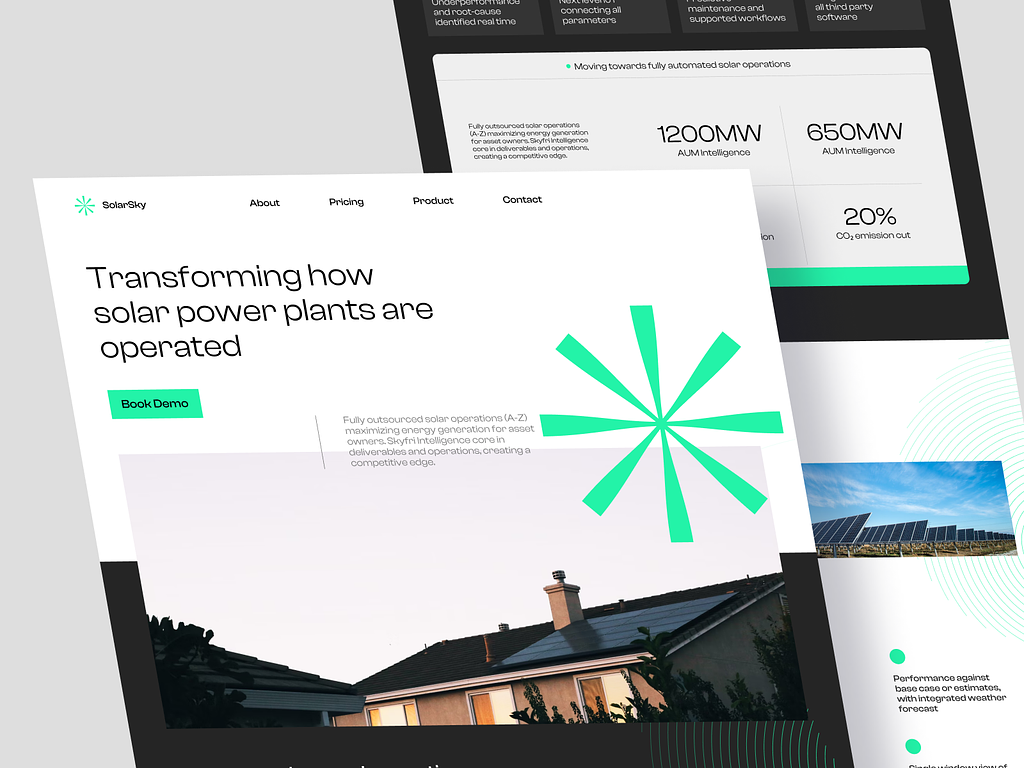
3. New Bolder Minimalism

Minimalism has been a popular design approach, emphasizing functional elements, negative space, and easy navigation. However, the upcoming minimalism trend takes this concept a step further, offering a more nuanced and evolved take on simplicity.

Modern minimalism can rely on carefully curated monochromatic palettes, large flat color shapes, rounded edges, and flat graphics. This combination results in decluttered yet visually rich interfaces that maintain a soft and rounded appearance. By embracing this minimalist design with a touch of personalization, professional service businesses can create expressive and user-friendly experiences that promote clarity, readability, and easy navigation.

An image of Solar Sky website a New Bolder Minimalism UI Trends Design

Solar Sky Website by Herdetya Priambodo for Plainthing Studio
Source: Dribble

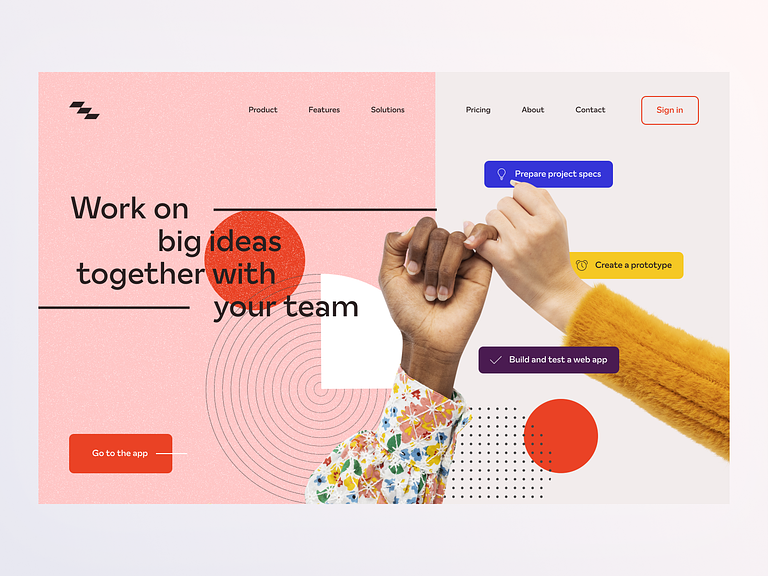
4. Happy Colors/Dopamine Inducing Palettes

As users increasingly seek positivity and joy through their online experiences, the concept of ‘dopamine dressing’ has made its way into web design. Happy colors and bold hues, combined with retro elements, offer a powerful means of expressing brand identity and resonating with users across different age groups.

By incorporating mild textures and therapeutic hues, businesses can create web assets that exude positivity and appeal to a wide audience. Even major brands are recognizing the impact of dopamine-inducing palettes and employing them in their campaigns to stand out and make bold statements. Leveraging these vibrant colors and cheerful palettes, professional service businesses can leave a lasting impression and foster positive associations with their brand.

An image of Project Management Landing page example for Happy colors UI Trends design

Project Management Landing page by Solomia Kravets for Gecko Dynamics
Source: Dribble

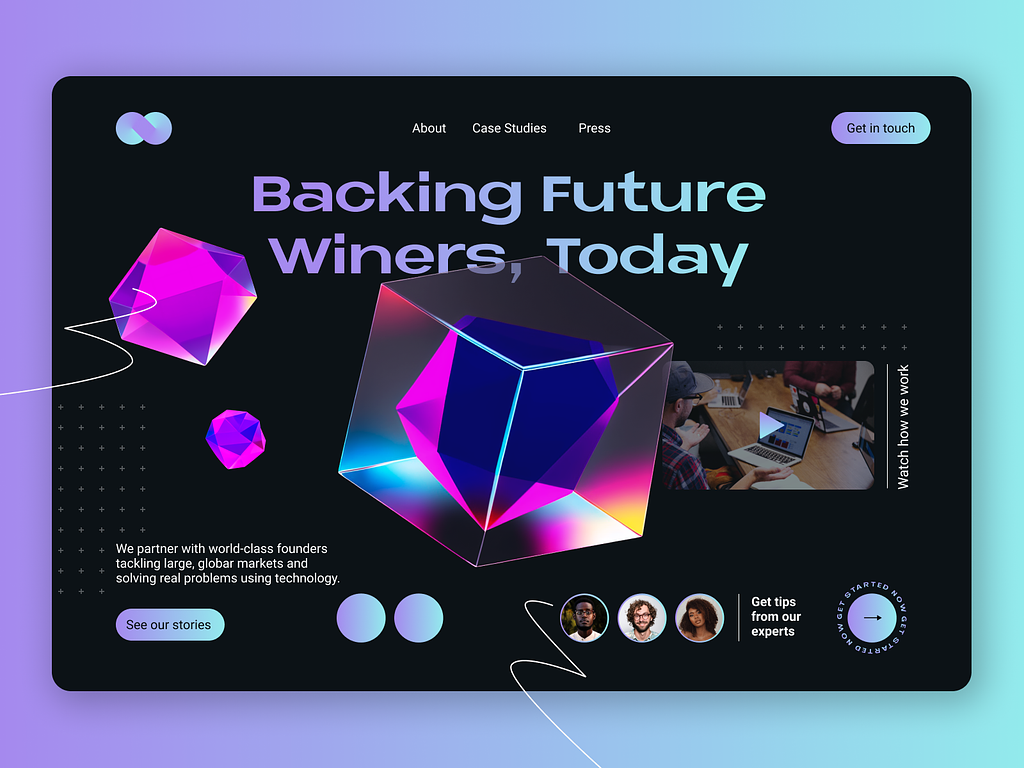
5. Aurora Gradients

Gradients have been a consistent trend in design, and with the rise of aurora gradients, their popularity continues to soar. These ethereal color schemes blend compatible colors, offering contemporary moods while subtly referencing the nostalgia of the 80s and 90s.

The name “aurora gradients” is derived from their resemblance to the captivating Aurora Borealis. By incorporating these mesmerizing gradients in web and app designs, businesses can create elevated and smooth user experiences that exude mystique and modernity. This trend appeals to a wide range of industries, providing an opportunity for professional service businesses to infuse their web assets with a touch of magic and sophistication.

An image of Aurora Gradients Landing page a UI Trends design

Aurora Gradients Landing by Roger Flaquer 
Source: Dribble

Conclusion:

In today’s highly competitive digital world, staying ahead means embracing the latest UI trends to enhance online experiences. By using elements like motion design, scrollytelling, bold minimalism, dopamine-inducing colors, and aurora gradients, businesses can capture audiences’ attention and push their brands forward. Sapere Marketing is here to help, offering reliable solutions while businesses focus on what they do best. With the right blend of technical expertise and creative thinking, professional service businesses can not only survive but thrive in the digital realm, securing long-lasting success in an ever-changing online world.

Airbnb’s Digital Transformation

In modern hospitality, few companies have made as significant an impact as Airbnb. What began as a humble startup in 2008 has since evolved into a global powerhouse, reshaping how people travel and experience accommodations. Airbnb’s success is driven by its unwavering dedication to innovation and its commitment to digital transformation.

Founded by Brian Chesky, Joe Gebbia, and Nathan Blecharczyk, Airbnb emerged during a time when traditional hospitality models dominated the market. However, the founders recognized an opportunity to disrupt the industry by leveraging technology to connect travelers with unique lodging options offered by local hosts.

The Need for Transformation

Before Airbnb’s digital transformation, the company faced numerous challenges. Traditional hospitality chains dominated the market, making it difficult for Airbnb to gain traction. Additionally, the lack of trust between hosts and guests posed a significant obstacle to the platform’s growth.

Airbnb’s growth didn’t happen overnight. It was a slow process, full of trials and tribulations, especially when it came to merging technology with traditional lodging. To connect the world’s homeowners with wanderlust-driven individuals, Airbnb bet big on integrating new digital tools.

Key Drivers of Digital Transformation

Airbnb’s digital transformation was driven by several key factors. Firstly, advancements in technology, such as mobile apps and online payment systems, provided the infrastructure necessary for Airbnb to scale its operations globally.

Secondly, the leadership’s vision and strategic efforts were essential in navigating the company through its journey of transformation.

They customized their services to meet our most irrational demands. The power of new tools and procedures was also welcomed by them. Utilizing the most recent technologies to produce a smooth and spectacular experience for both hosts and visitors.

Strategies Implemented

To achieve its digital transformation goals, Airbnb implemented a series of strategic initiatives. One of the most significant strategies was optimizing its platform for an enhanced user experience. This involved streamlining the booking process, improving search functionality, and enhancing communication between hosts and guests.

Data-driven decision-making also played a pivotal role in Airbnb’s transformation. By utilizing data analytics, Airbnb obtained a valuable understanding of customer behavior and preferences. This enabled the company to personalize the user experience and adjust its offerings to cater to the varied needs of its user base.

Furthermore, Airbnb pursued expansion into new markets and service offerings as part of its digital transformation strategy. The company introduced Airbnb Experiences, allowing travelers to book unique activities and tours hosted by locals, further enriching the travel experience.

Leveraging Artificial Intelligence for Growth

One of Airbnb’s most significant digital transformations came in the form of artificial intelligence (AI). By harnessing the power of AI algorithms, Airbnb revolutionized its business operations in several key areas.

Putting Customers First

At the core of Airbnb’s digital transformation is a commitment to customer satisfaction. Brian Chesky’s emphasis on building strong connections with customers underscores the importance of putting consumers’ needs first.

By prioritizing customer-centricity, Airbnb has cultivated strong relationships with its user base, driving loyalty and positive word-of-mouth.

Airbnb had a customer-first mentality. Brian Chesky once said,”Brand is really the connection between you and your customers if you have a very strong culture, then the brand will come through.”

Lessons Learned for Businesses

The Airbnb success story offers valuable lessons for businesses embarking on their digital transformation journeys. Embracing innovation, prioritizing customer needs, and leveraging technology are key ingredients for success in today’s competitive landscape.

By adopting a customer-first mentality and implementing appropriate digital strategies, businesses can enhance their value proposition and deliver exceptional experiences to their customers.

Implementing appropriate digital strategies helps businesses attract clients and keep them as customers.

Airbnb used advanced technology to make it easy for people to find places to stay, book them smoothly, and pay securely online, transforming how customers book accommodations.

When a business uses the right digital transformation strategy with the right digital technologies, the business value and customer experience are enhanced to a great level.

Addressing evolving customer needs is not just a reactionary measure but a proactive approach that initiates a dialog with customers, leading to strong relationships and brand loyalty.

Conclusion

Airbnb’s digital transformation journey exemplifies the power of innovation and customer-centricity in driving business success. By embracing digital tools and harnessing the capabilities of artificial intelligence, Airbnb has revolutionized the hospitality industry and set new standards for customer experience.

As businesses navigate the intricacies of digital transformation, the key takeaway from Airbnb’s story remains clear: always prioritize the needs of your customers, and success will follow.

Dark Mode: Latest Trend in Web Development

In the fast-paced world of modern technology, web developers are constantly striving to improve the user experience and offer innovative features that keep users engaged. One such advancement that has been gaining immense popularity is Dark Mode. This trendy feature is transforming the way websites are designed and experienced, providing users with a comfortable, visually appealing, and energy-saving option.

What is Dark Mode?

Dark Mode is a design option that presents a dark background with light-colored text and interface elements. Unlike the traditional light background with dark text, Dark Mode is easier on the eyes, especially in low-light conditions. When users spend long hours staring at screens, such as on mobile devices or computers, Dark Mode can significantly reduce eye strain and fatigue. The contrast between the light text and dark background also makes it easier to read, enhancing the overall user experience.

Reasons for the Growing Popularity of Dark Mode:

1. Reduced Eye Strain

One of the primary reasons for the widespread adoption of Dark Mode is its ability to alleviate eye strain. Many individuals spend hours on their devices daily, and using Dark Mode can help reduce the discomfort caused by prolonged screen exposure.

2. Energy Efficiency

Dark Mode can significantly save energy on devices with OLED or AMOLED screens. Unlike traditional LCD screens, which use a backlight to display content, OLED and AMOLED screens can individually light up pixels. In Dark Mode, fewer pixels are illuminated, resulting in lower power consumption and extended battery life on mobile devices.

3. Improved Accessibility

Dark Mode enhances accessibility for users with visual impairments or sensitivity to light. The high contrast between light text and a dark background makes it easier for individuals with visual challenges to read and navigate through the content.

4. Modern and Stylish Look

Dark Mode gives websites a fresh and modern appearance. Many users find the dark aesthetic visually appealing, making it an excellent tool for building brands and staying competitive in the market.

Implementing Dark Mode in Web Development

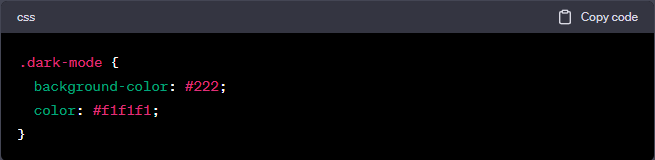
For web developers looking to implement Dark Mode on their websites, the process is relatively straightforward and can be achieved with just a few lines of CSS code and JavaScript. Here’s a simple guide to get you started:

1. Create a Dark Mode CSS Class

Begin by designing a CSS class specifically for Dark Mode, specifying the styles for text and background colors. When Dark Mode is activated, this class will be applied to the elements on your website.

2. Use JavaScript to Toggle Dark Mode

Implement JavaScript to toggle the Dark Mode class on and off. You can achieve this by adding a toggle button on your website or detecting the user’s system preference for Dark Mode.

3. Thorough Testing

After implementing Dark Mode, thoroughly test your website on multiple browsers and devices to ensure a seamless user experience.

Conclusion

Dark Mode is undoubtedly the next big thing in web development. Its popularity stems from the benefits it offers, including reduced eye strain, better accessibility, energy savings, and a modern, stylish appearance that aligns with brand-building efforts. By adopting Dark Mode, small to medium-sized professional service businesses with seven-figure revenues can enhance their online presence and improve user satisfaction.

At Sapere Marketing, we understand the importance of staying ahead in the competitive digital landscape. Our commitment to empowering businesses with effective solutions that perfectly align with their brand and online needs extends to incorporating cutting-edge features like Dark Mode. We ensure that our partners can focus on their core tasks while we take care of their website’s maintenance, security, and optimization.

Remember, your website is the face of your business in the digital world. Embracing Dark Mode can make a significant difference in the user experience, energy efficiency, and brand representation. So, let’s take a step forward together and embrace the exciting possibilities Dark Mode offers for your business’s success!